
Antique Lands — short films from the ancient world
The strangest real jobs in history, lived first-person.
Thirty-second reconstructions of working life between 2500 BC and 1300 AD — the liver-reader, the tooth-jeweler, the oracle. Each one is built from the published archaeology, with sources on every page. New civilization every week.
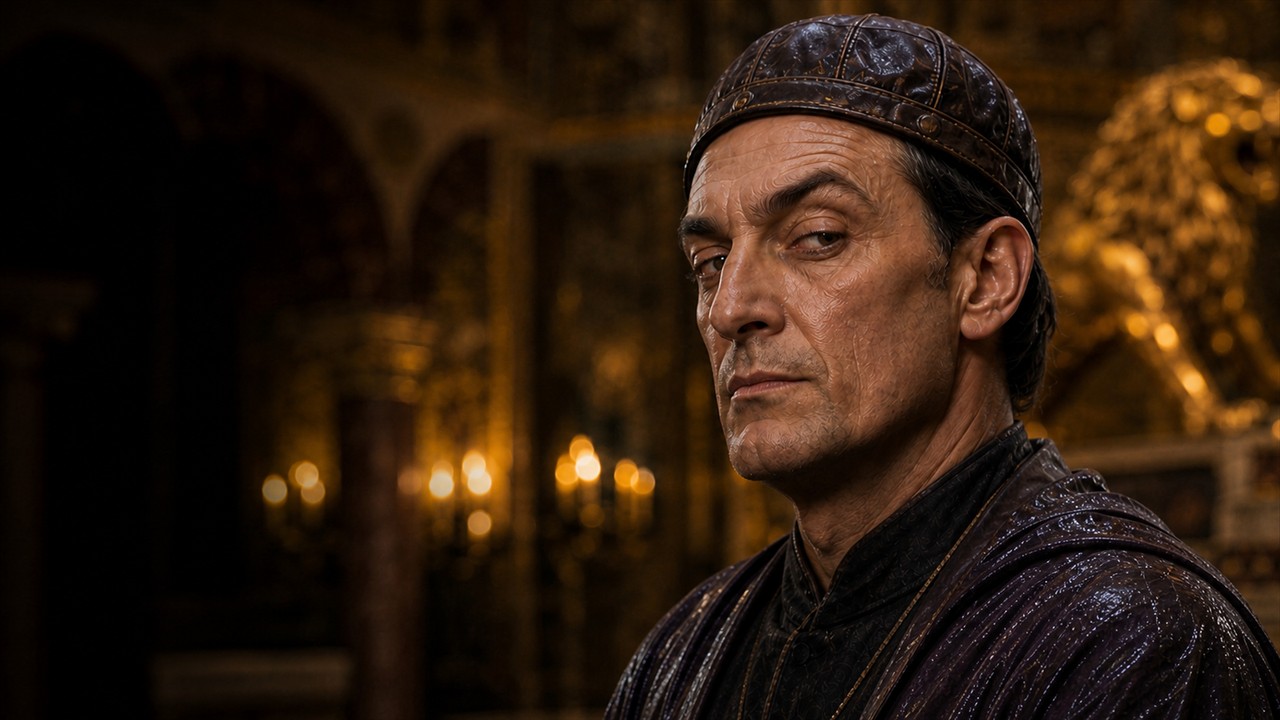
Byzantium · AD 968
The Ambassador Who Reviewed an Empire
In 968 a bishop from Lombard Italy spent a hundred and twenty days as Byzantium's least welcome guest, then went home and filed the most vindictive official report of the Middle Ages. The empire is gone. The complaint survives.
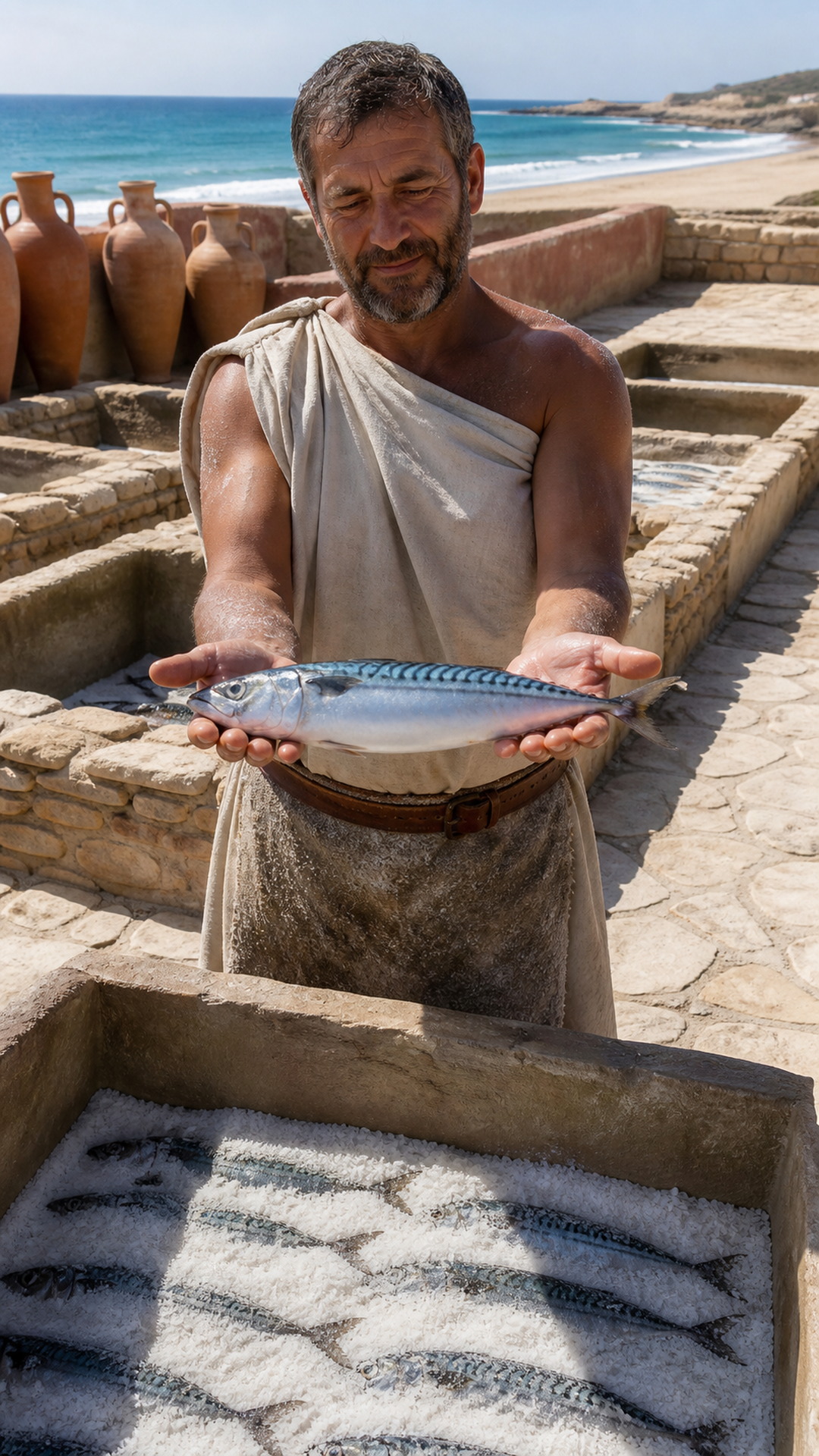
Roman Hispania · c. AD 100
The Flower of the Mackerel
On the Atlantic edge of Roman Spain, rows of stone vats turned whole fish and coarse salt into the most valuable liquid in the Roman kitchen. Pliny priced the best of it just below perfume. The men who made it left almost no names.
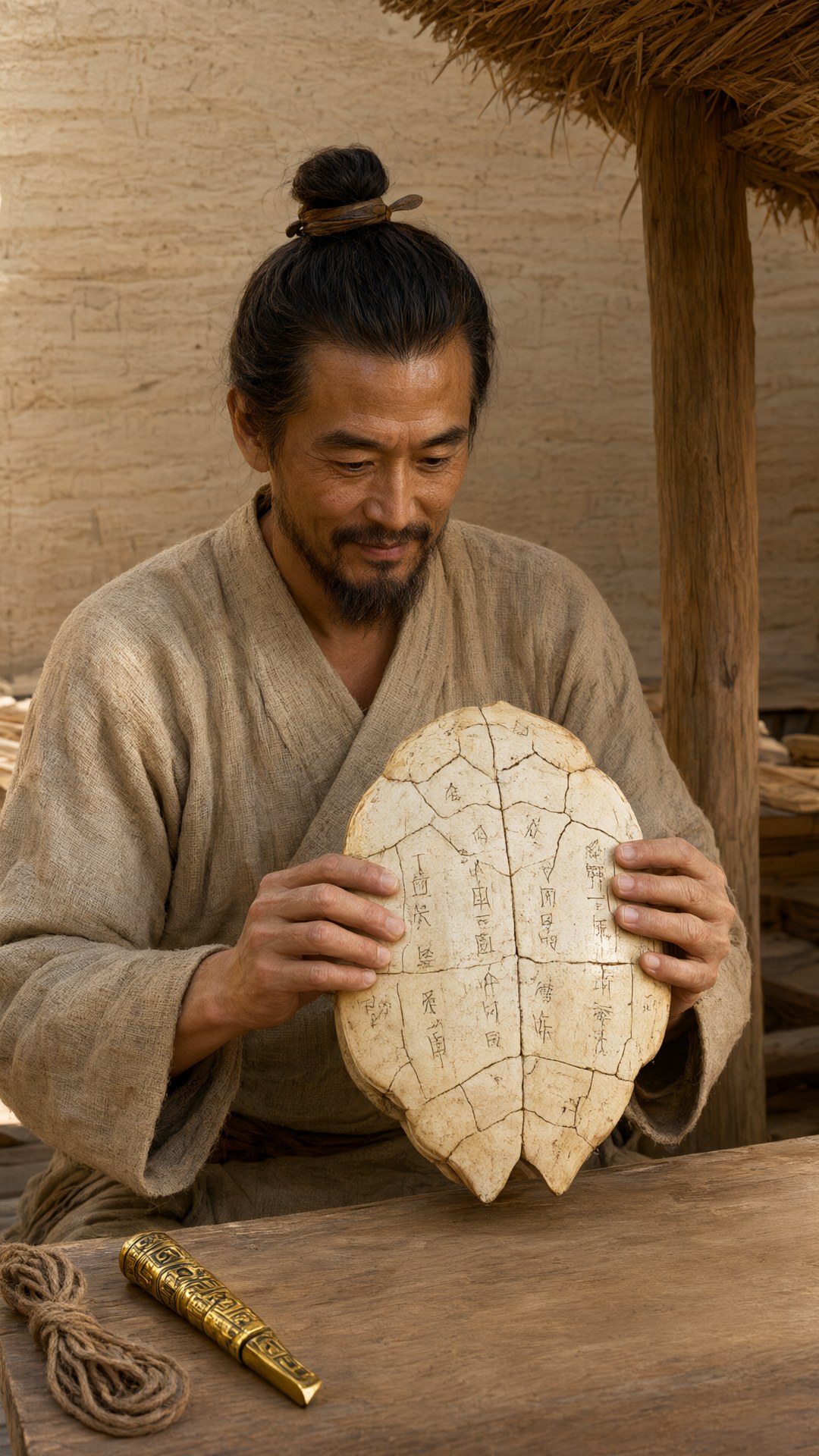
Shang China · c. 1200 BC
The Men Who Audited the Sky
At Anyang, around 1200 BC, the royal diviners of the Shang cracked turtle shells to forecast the rain. The king read the cracks and named the day. Then the workshop did something no other Bronze Age court is known to have done so systematically: it wrote down what actually happened.
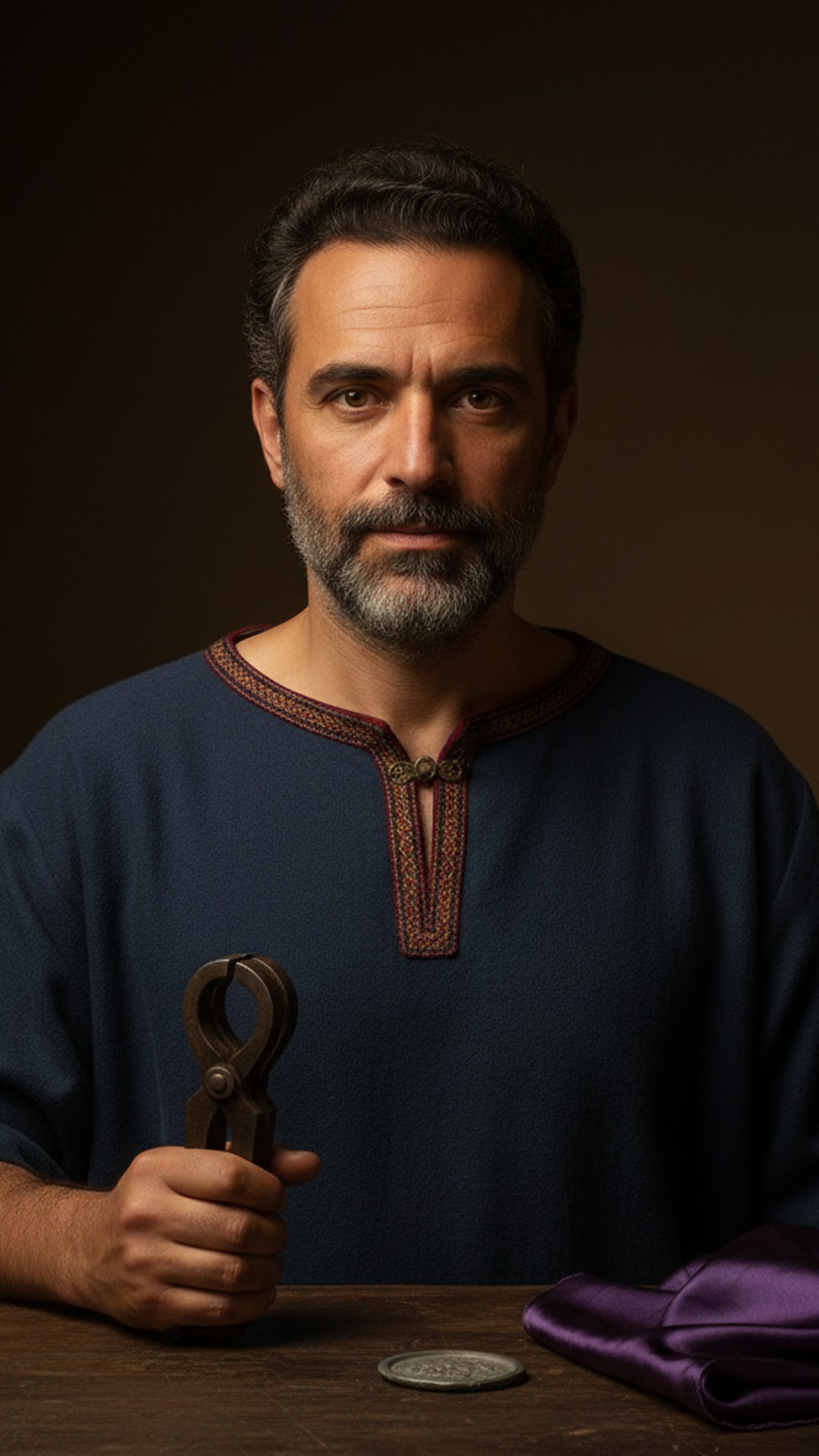
Byzantium · 968 AD
Five Most Costly Purples
In the palace of Nikephoros Phokas, an ambassador's luggage is opened, an emperor's promise is weighed against an emperor's ban, and five purple silks cross the table into imperial custody. The victim's furious report survives.
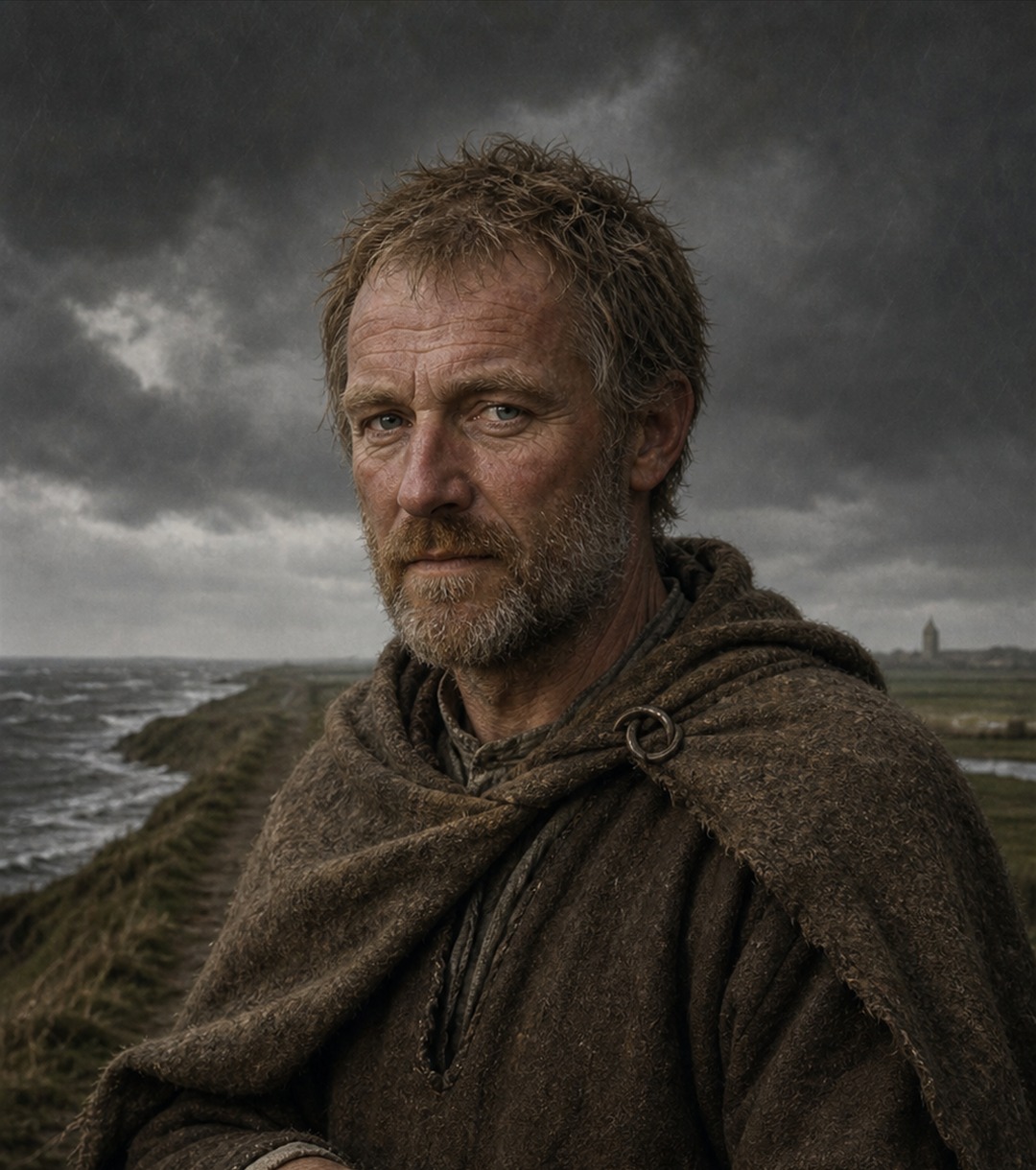
The Low Countries · 1288 AD
The Wall With a Thousand Names
In the drowned river country of the medieval Low Countries, every farm came with a stretch of dike attached, sworn neighbors judged every seam of it, and the law had an answer for the man who walked away.
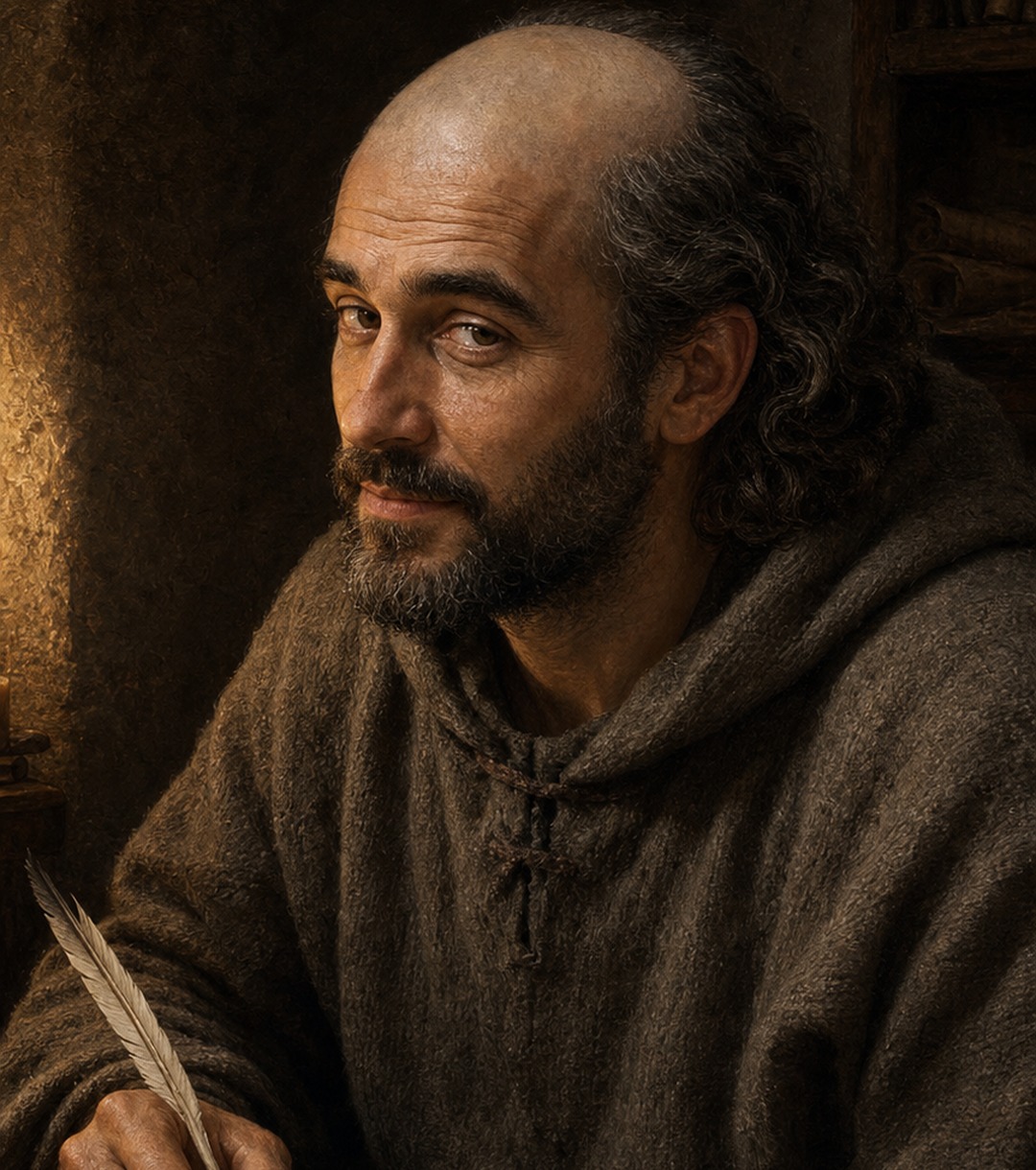
Ireland · c. 850 AD
Cold Hands, Bad Ink
Around 850 AD, at a monastery on the County Down coast, Irish scribes copied a Latin grammar and wrote what they actually felt in the margins: the cold, the bad ink, a hangover spelled out in ogham strokes, and a poem thanking a storm for keeping the Viking longships home. The book survives in Switzerland, complaints and all.

Armenia · c. 405 AD
One Letter for Every Sound
Around 405 AD, in a partitioned country whose language had never been written, the monk Mesrop Mashtots produced an alphabet of thirty-six letters fitted to Armenian sound by sound. Within a generation his students had translated the Bible and opened schools across both halves of a divided land. Armenians have written with his letters ever since.
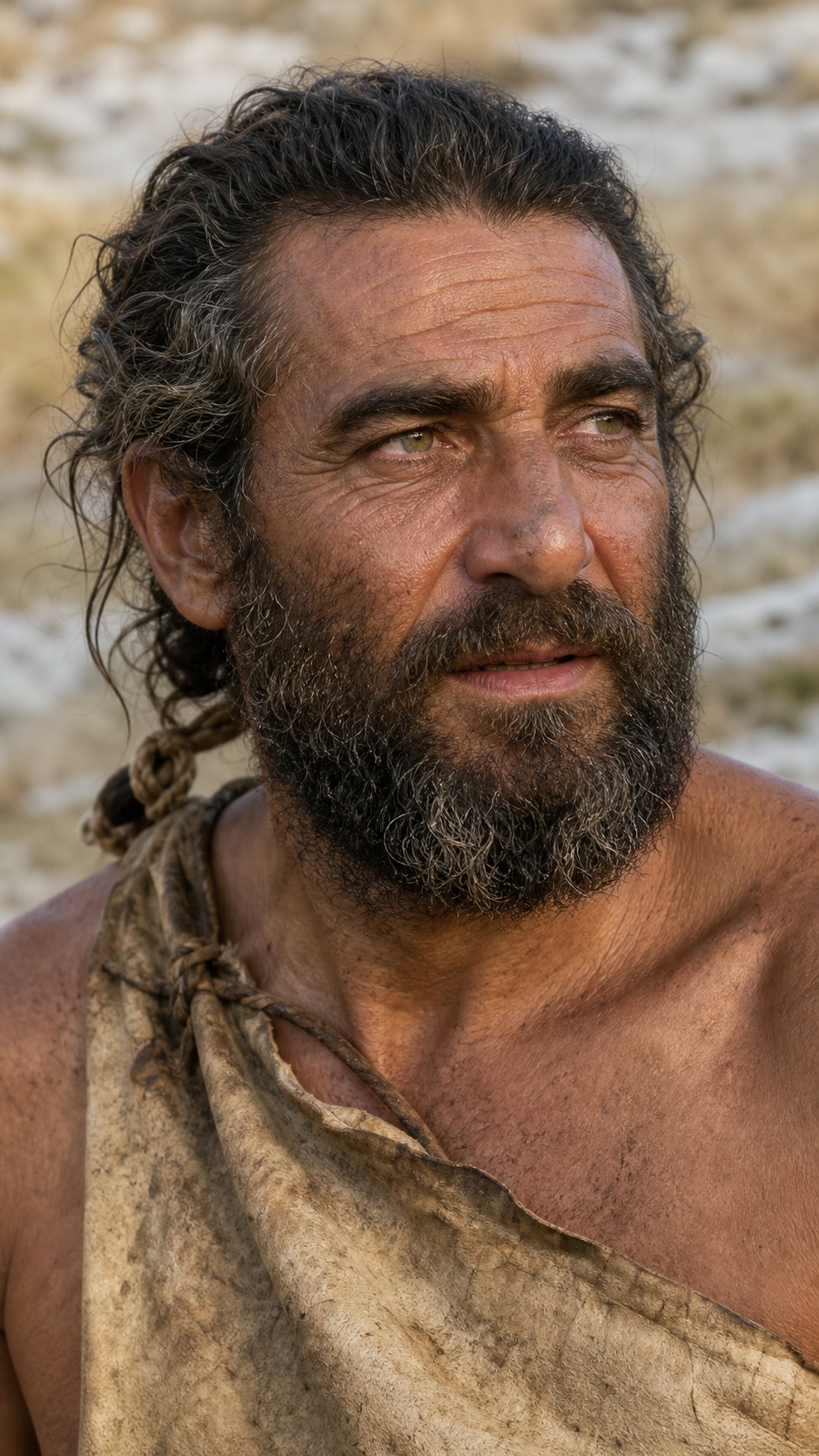
Anatolia · c. 9500 BC
The Stone Was the Appointment
Around 9500 BC, on a dry hill in southeastern Anatolia, people who had never planted a field hauled multi-ton limestone pillars into rings. Göbekli Tepe is the oldest monumental architecture known anywhere, it was built by hunter-gatherers, and a century of textbook order runs backwards on this hill: the monument came before the farm.
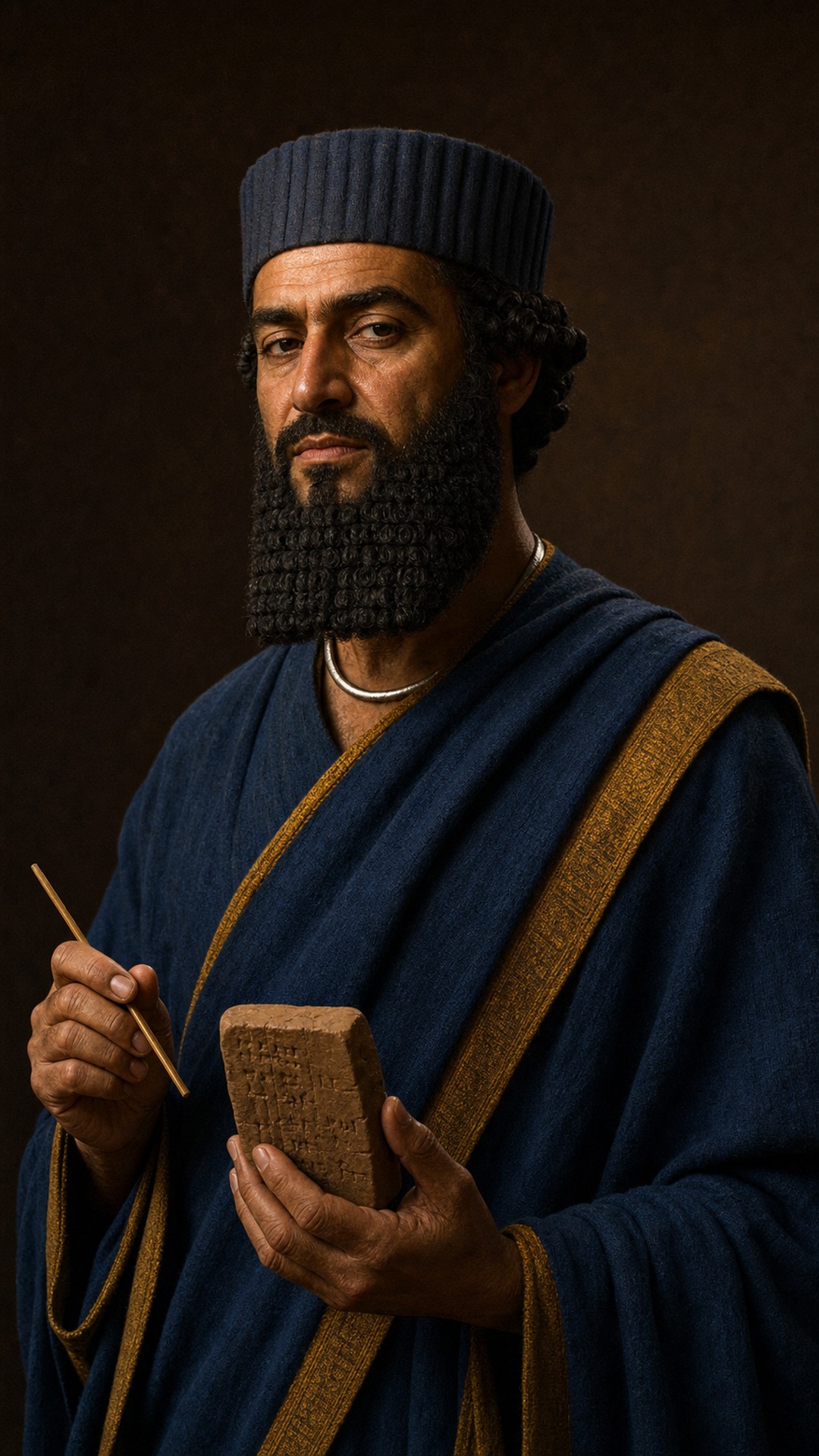
Persia · c. 500 BC
The Palace Fell. The Payroll Survived.
Around 500 BC, the Achaemenid administration at Persepolis recorded the pay of thousands of workers on clay: grain by rank, beer in the schedules, sheep and wine for a named Egyptian woodworker, a doubled grain issue for the mother of a boy. Alexander burned the palace in 330 BC. The receipts are still legible, and one of them still does not add up.
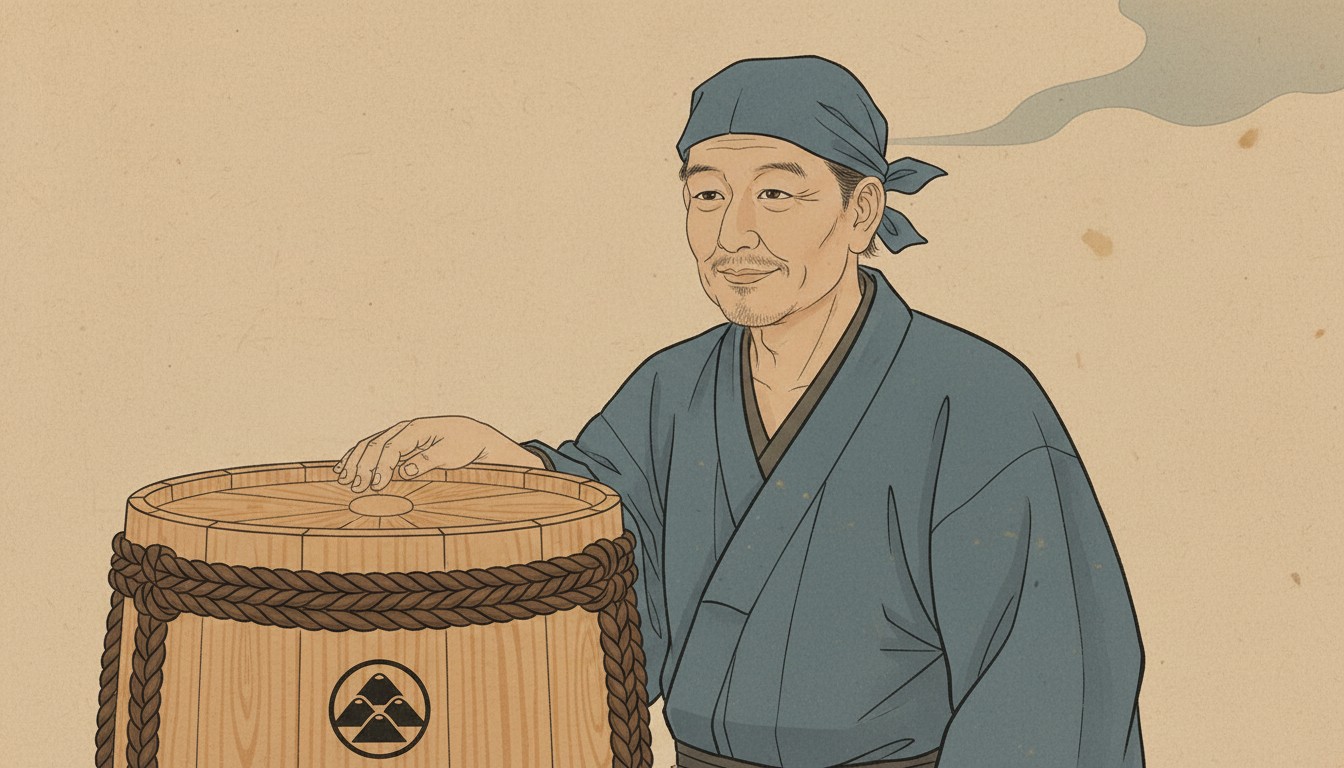
Japan · c. 1169 AD
The Weapon Was Not the Blade
In the winter of 1169, hundreds of Kyoto's brewers, lenders and toll-men shut their shops and carried the palanquin of the mountain god to the palace gates. Medieval Japan's great temples fought less with the sword than with the lawsuit, the ritual strike, and a sacred object no soldier could safely touch.

Japan · c. 1280 AD
The Warrior in the Courthouse Line
Kamakura, 1280. A vassal warrior rides to the shogunate's capital carrying his family's documents — because under the Kamakura bakufu, land was won and kept on paper, and the samurai of the records is above all a litigant.
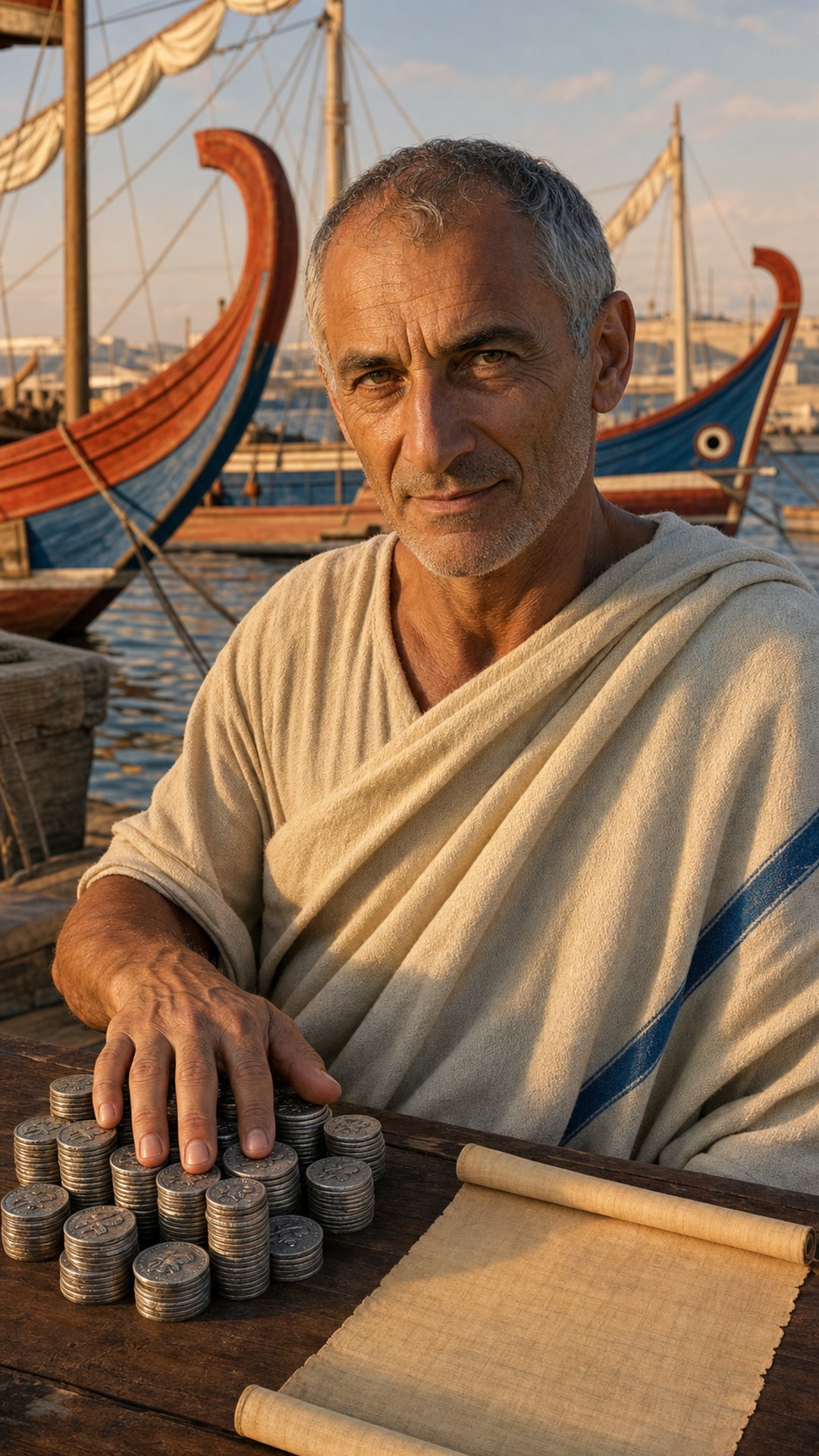
Greece · c. 350 BC
The Lender Who Bet Against the Sea
At Piraeus, around 350 BC, every cargo sailed on borrowed silver — and if the sea took the ship, the debt was gone. One surviving contract prices the risk star by star; the men who wrote such contracts heard every story a borrower could invent.
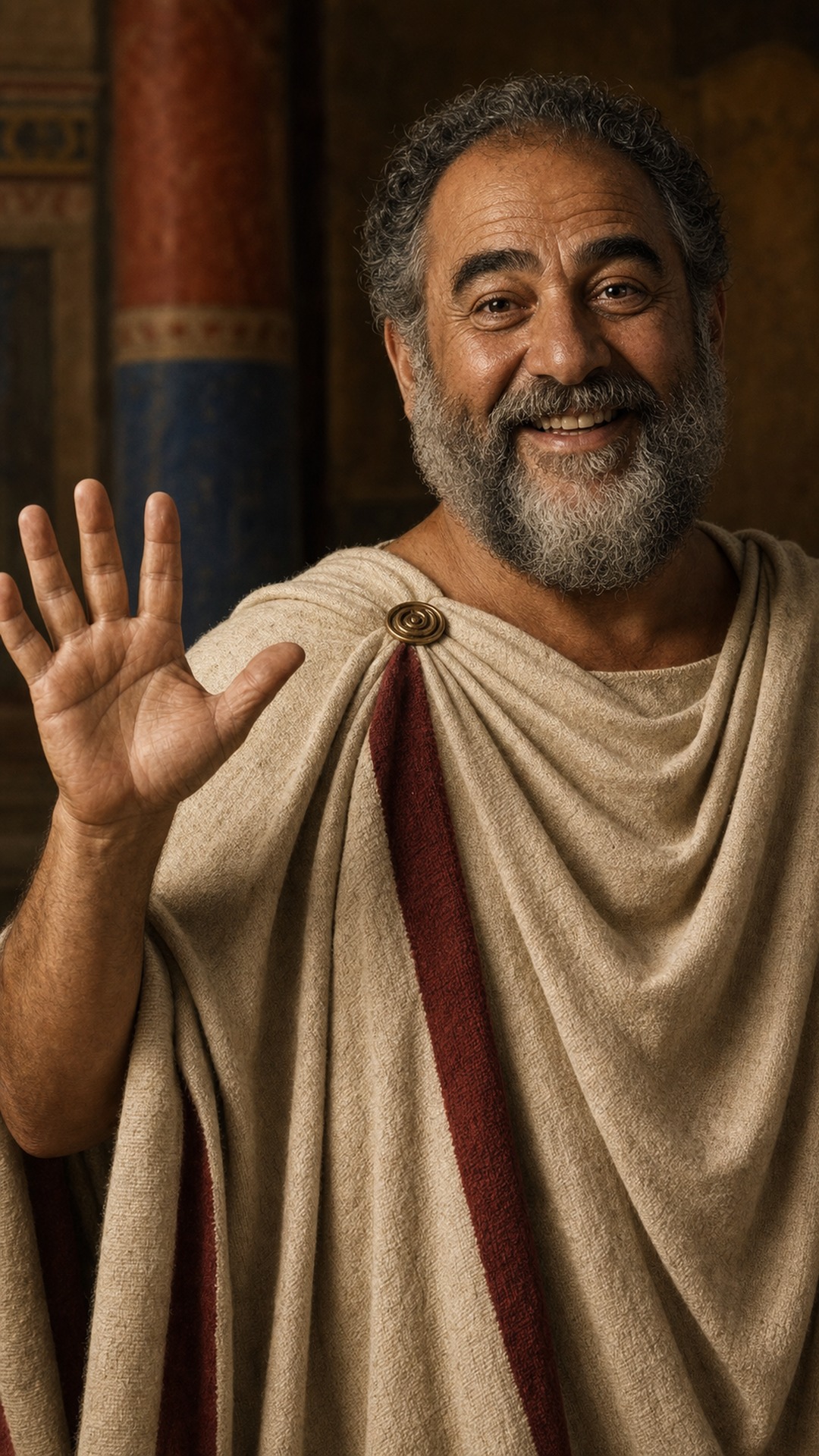
Greece · Roman Greece, c. 100 AD
The Guides Nobody Could Stop
At Delphi, on the rare days the oracle spoke, crowds crossed the sea to the sanctuary of Apollo — and professional guides walked them up the Sacred Way, monument by monument, through a prepared programme no visitor could shorten. Plutarch was in one such group. They begged. The guides carried on.
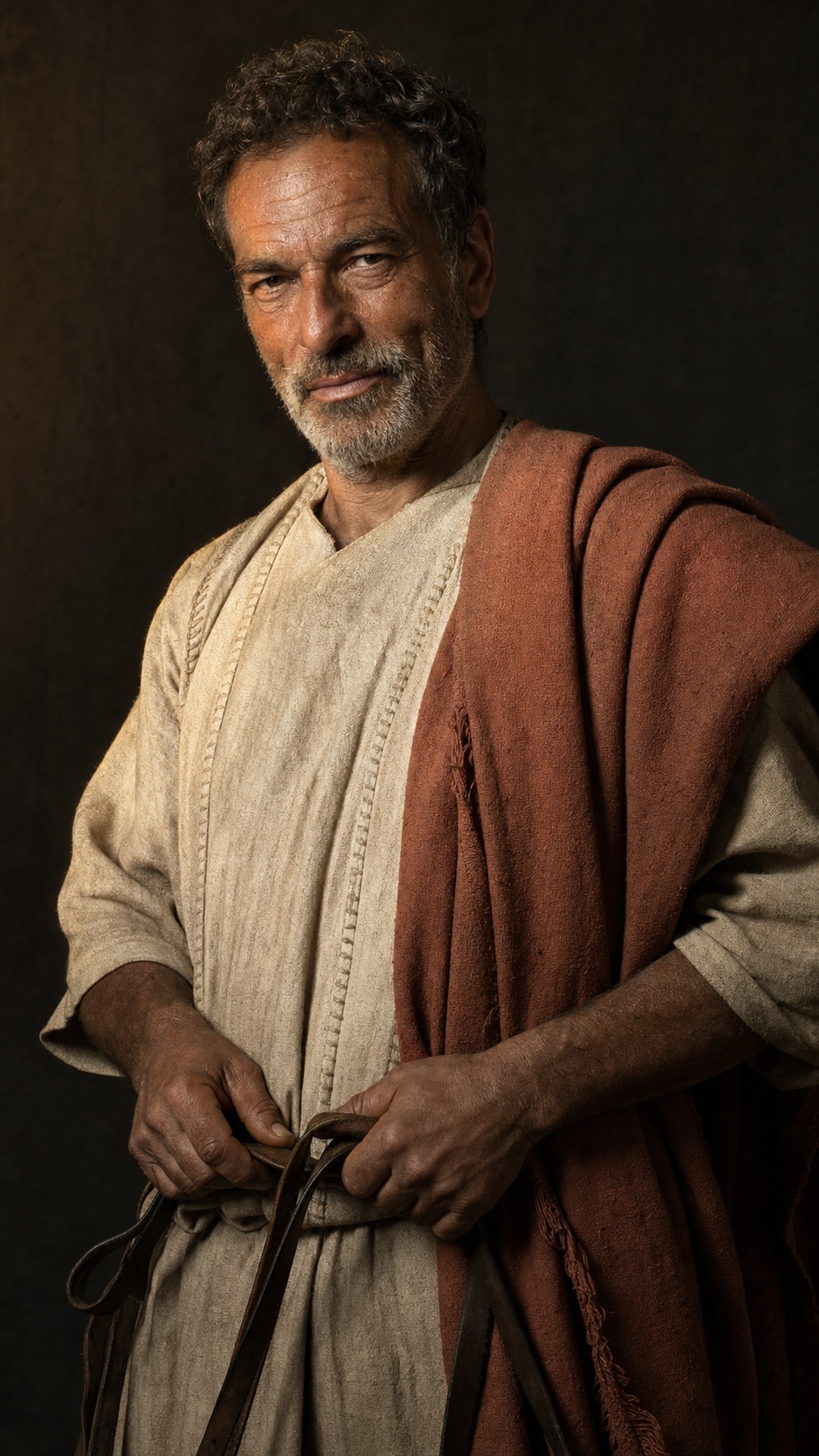
Rome · 1st century BC law, staged c. 1st century AD
The City That Could Only Be Fed After Dark
By law, loaded wagons were banned from the streets of Rome in daylight. So a city of nearly a million people was fed and supplied after dark — on the backs of the muleteers who drove the night freight, and who left a mountain of empties to prove it.
Mesopotamia · Old Babylonian, c. 1750 BC
The Complaint That Outlived the Merchant
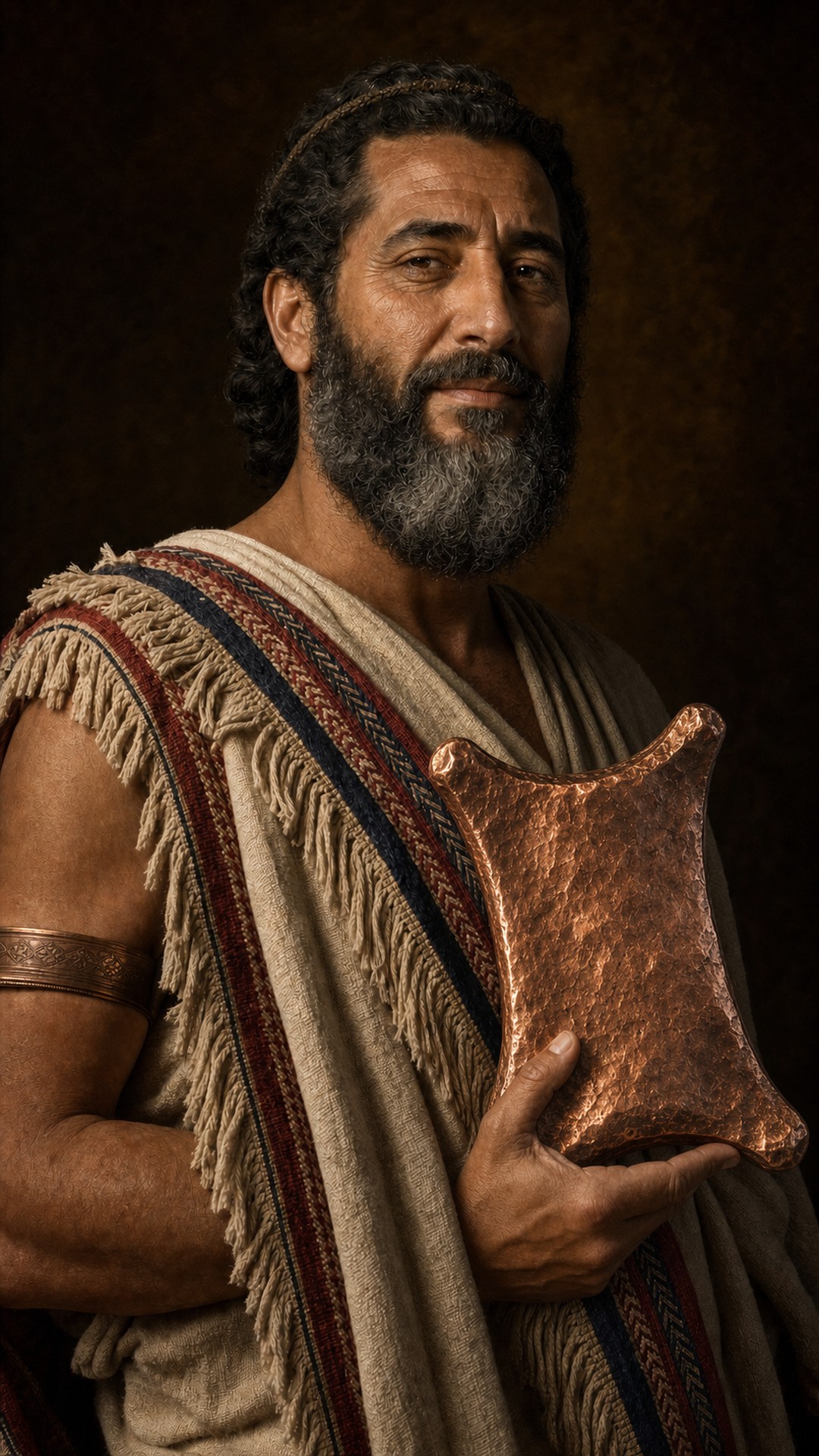
Around 1750 BC, a customer in the city of Ur pressed a furious letter into clay: the copper was the wrong grade, and his messenger had been sent home empty-handed. It is the oldest customer complaint archaeologists have ever found — and it was not the only one its recipient kept.
Rome · c. AD 97
The Men Who Scraped an Empire's Water Clean
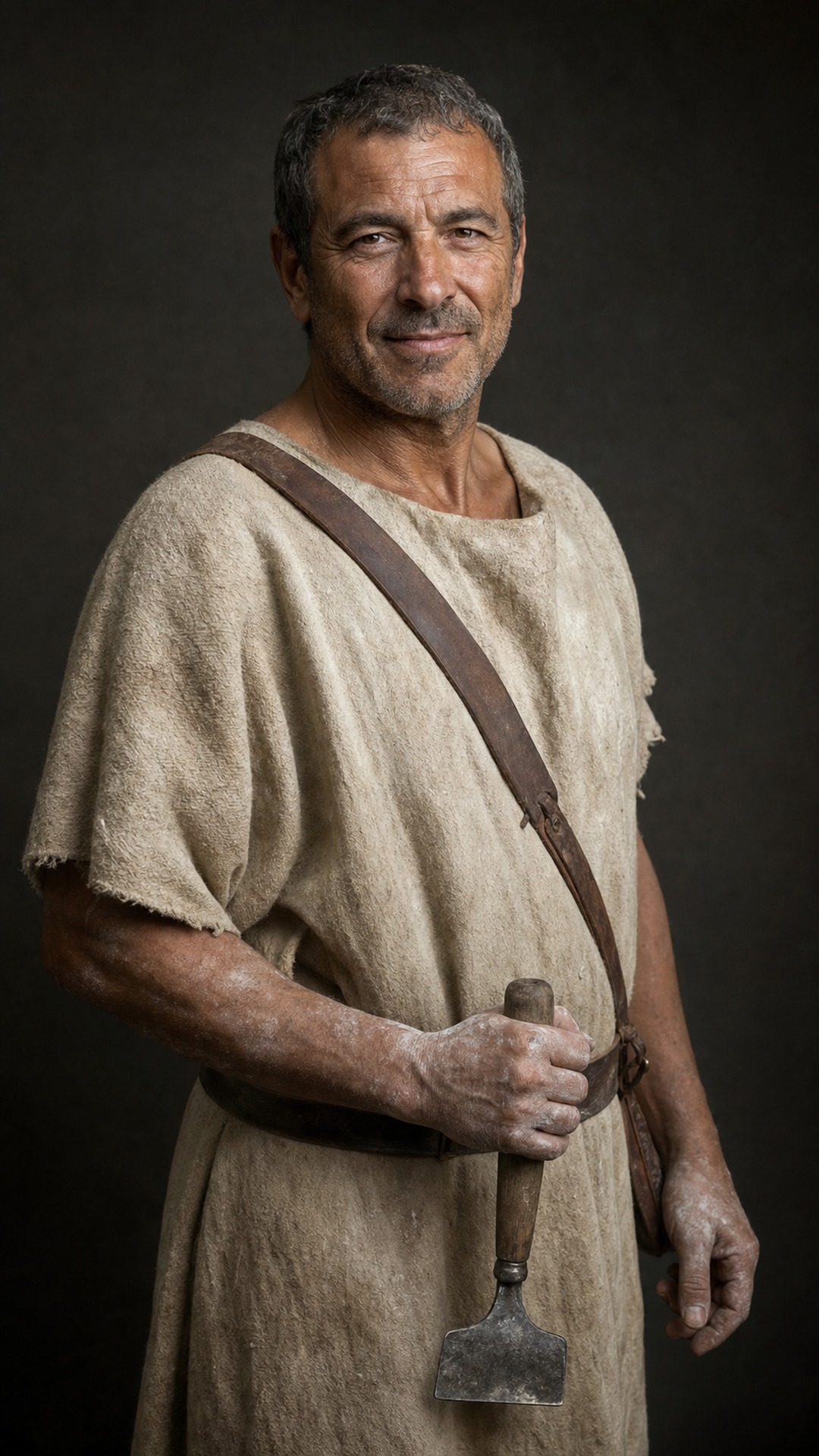
Rome's nine aqueducts ran on gravity and never stopped growing stone inside — so the city kept permanent crews, hundreds strong, whose endless job was to scrape it out again
Nabataea · c. 312 BC
The Men Who Rowed Out to Harvest the Sea's Oil
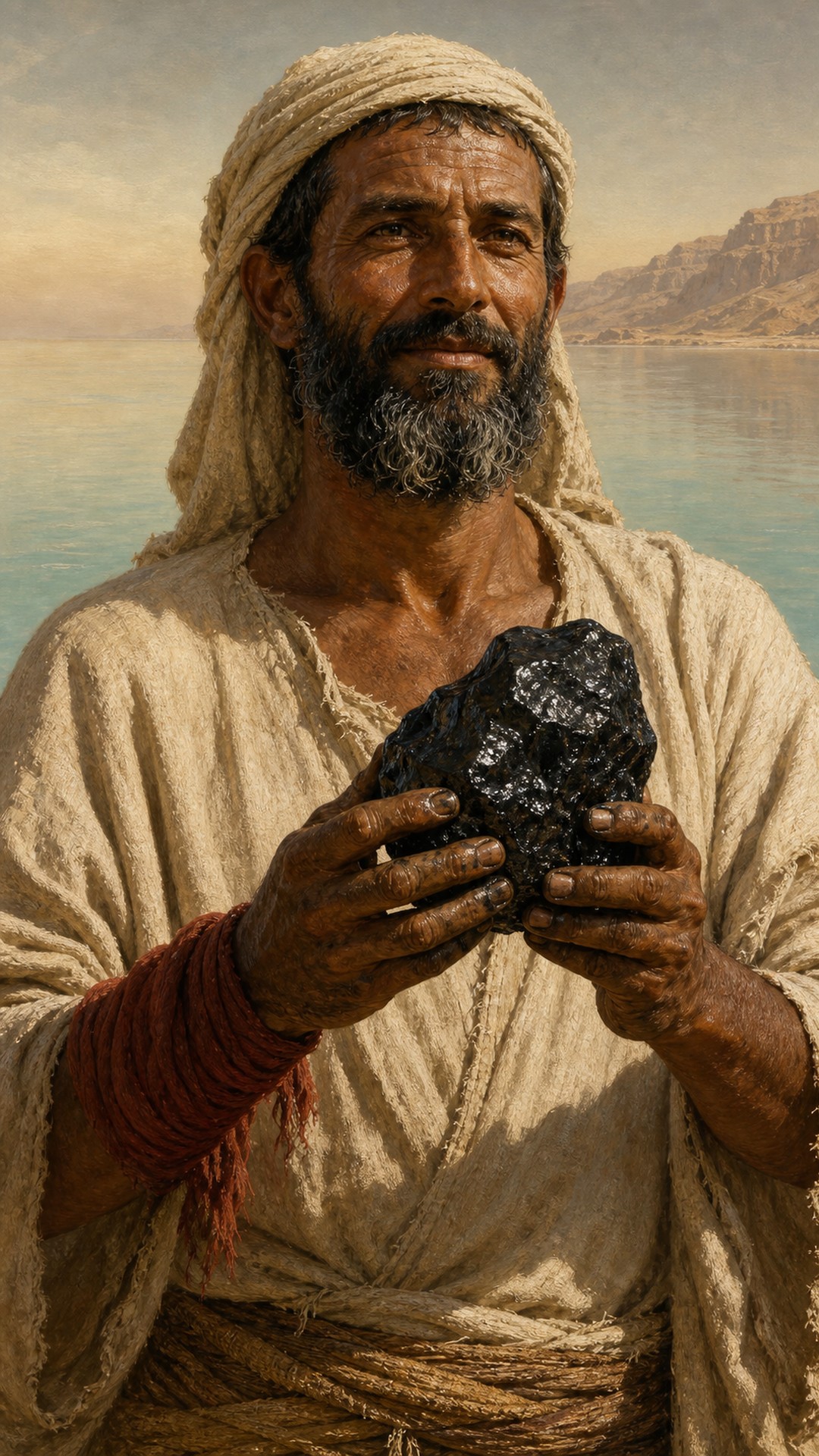
On the one sea that keeps every swimmer afloat, crews of three rowed reed rafts out to cut floating asphalt — and an empire learned to leave them alone
Egypt · c. 1250 BC
The Man Who Wrote Down Every Excuse
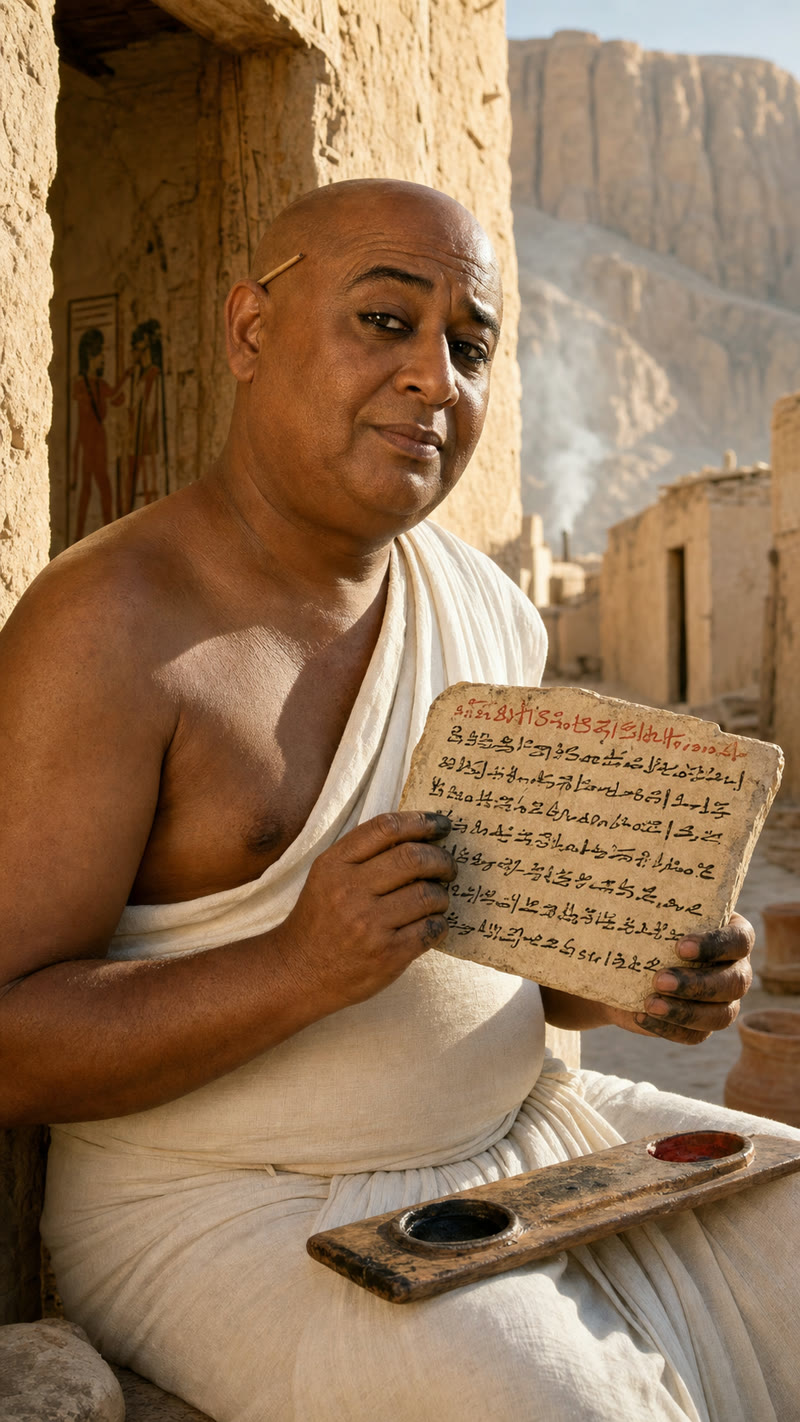
At Deir el-Medina, the state village that cut the royal tombs, a scribe kept the attendance register: forty names, 280 days, the dates in black ink and the reasons for absence in red. One red entry reads 'drinking with Khonsu.' Khonsu's own line, the same day: 'his feast.'
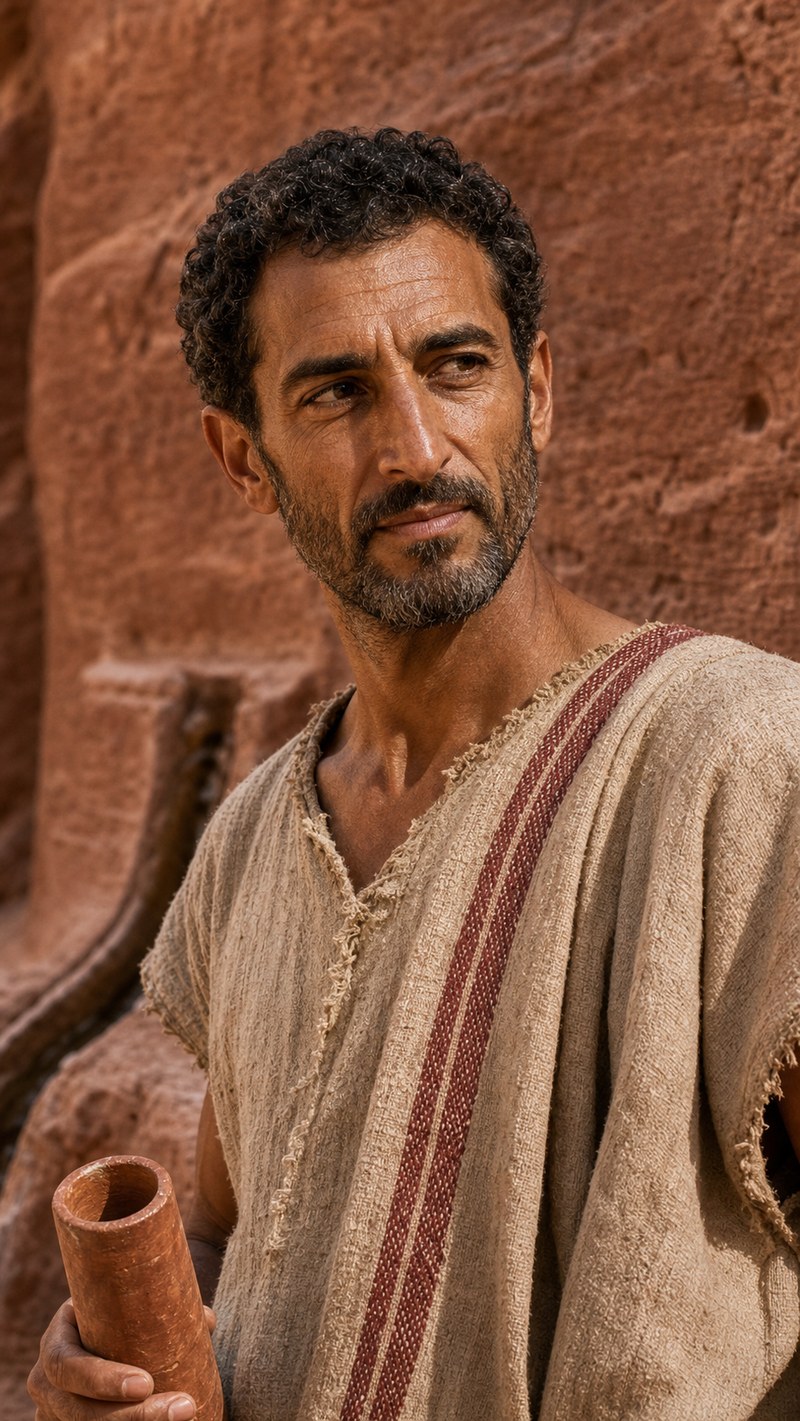
Nabataea · c. 100 BC
The Engineer Who Farmed the Flash Flood
Petra's water masters turned the desert's one killer — the winter flash flood — into fountains, gardens and a pool, through dams, rock-cut channels and two hundred cisterns tuned by hand.
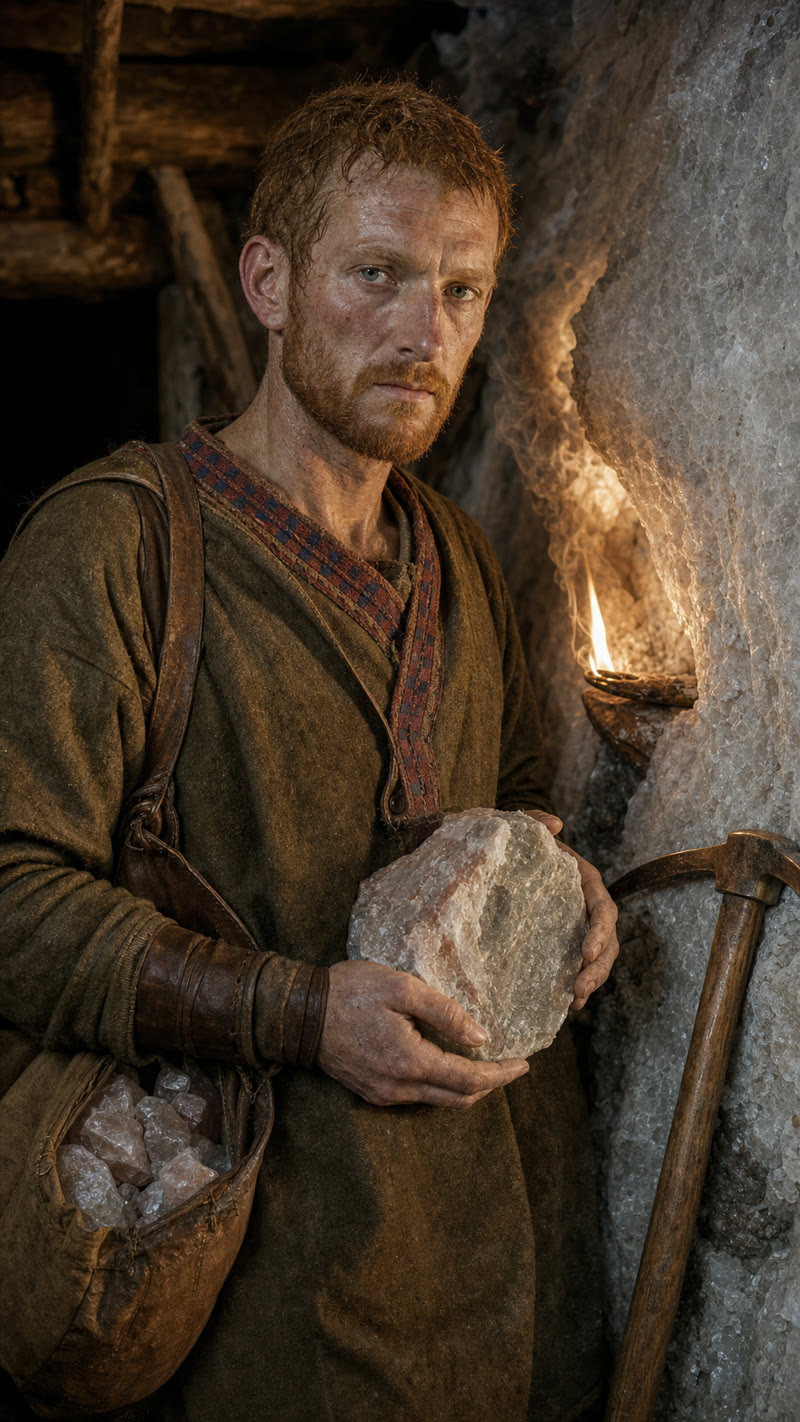
Iron Age Austria · c. 700 BC
The Salt Hearts of Hallstatt
Iron Age miners cut salt from the mountain above Hallstatt in heart-shaped plates — surviving examples weigh 12 and 42 kilograms, and the empty sockets in the rock imply blocks heavier than a man. Everything the miners dropped, the salt kept: rope, shoes, supper — and once, one of the miners themselves.

Viking Age · c. 900 AD
The Fire-Gilders of Kaupang
A Viking goldsmith painted cast bronze with gold dissolved in quicksilver, then drove the mercury off over charcoal — brilliance for farmers' wives, bought a breath of white smoke at a time.
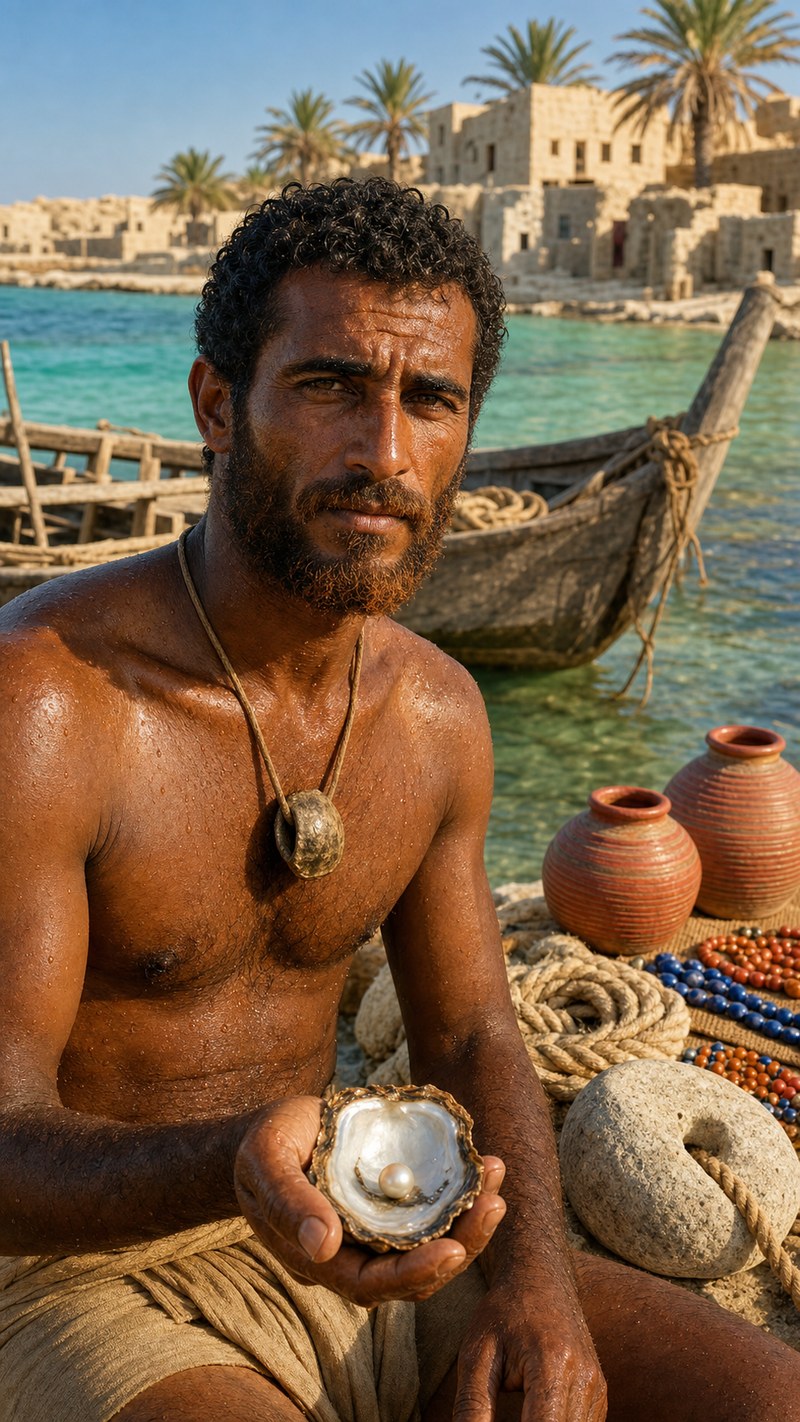
Dilmun · c. 2000 BC
The Pearl Divers of Dilmun
On one held breath, pulled down by a weighted stone, a diver worked Bahrain's oyster banks blind — a thousand shells might hide a single pearl, and one excavated town still held 514 of them.
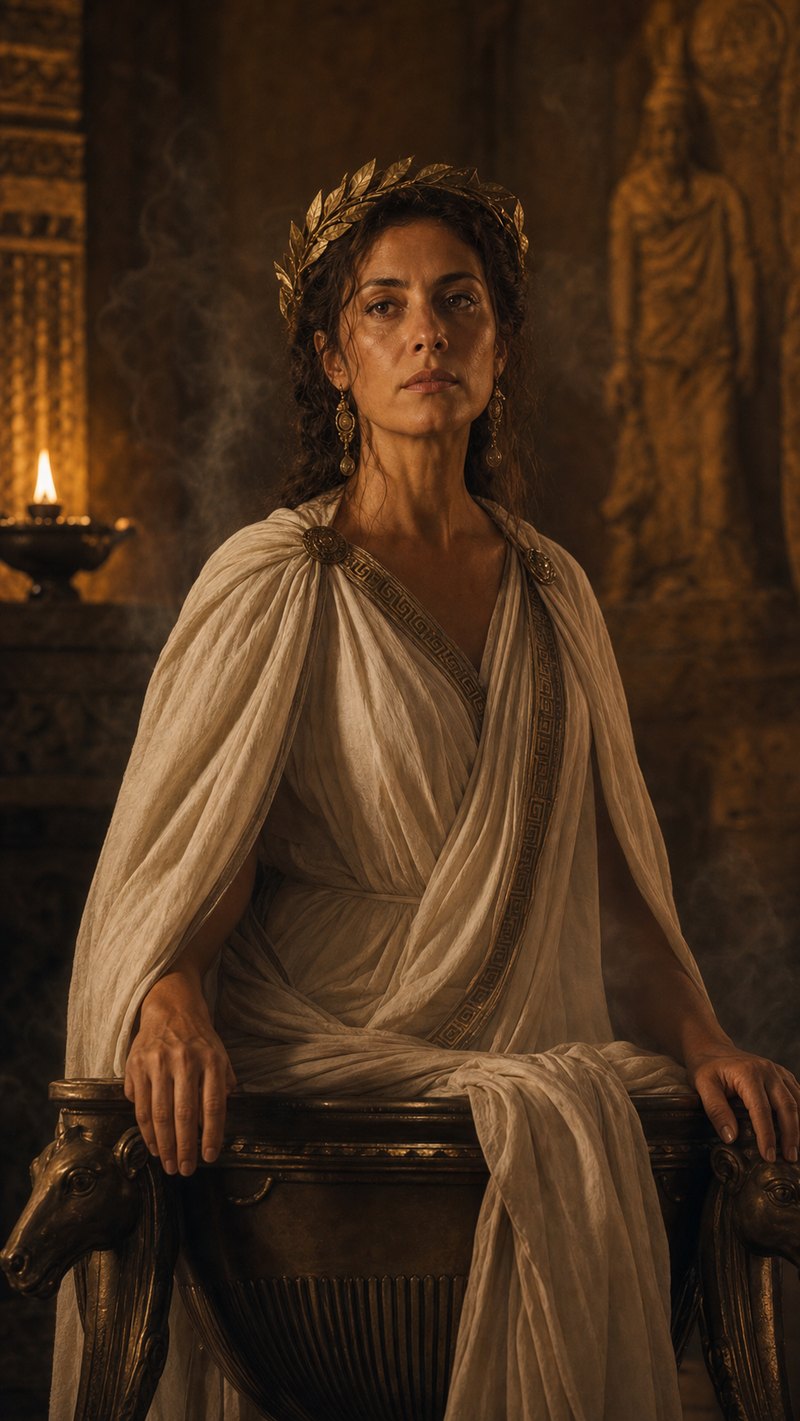
Greece · c. 500 BC
The Woman Who Spoke for Apollo
One day a month, nine months a year, the Pythia answered from a bronze tripod over a cleft in the rock at Delphi — and kings crossed seas to put a single question to her.

Indus Valley · c. 2500 BC
The Bead-Borers of the Indus Valley
Drilling one long carnelian bead with ernestite — a stone the Harappans seem to have engineered themselves — took days of work; a single 36-bead belt from Allahdino represents more than 480 working days.
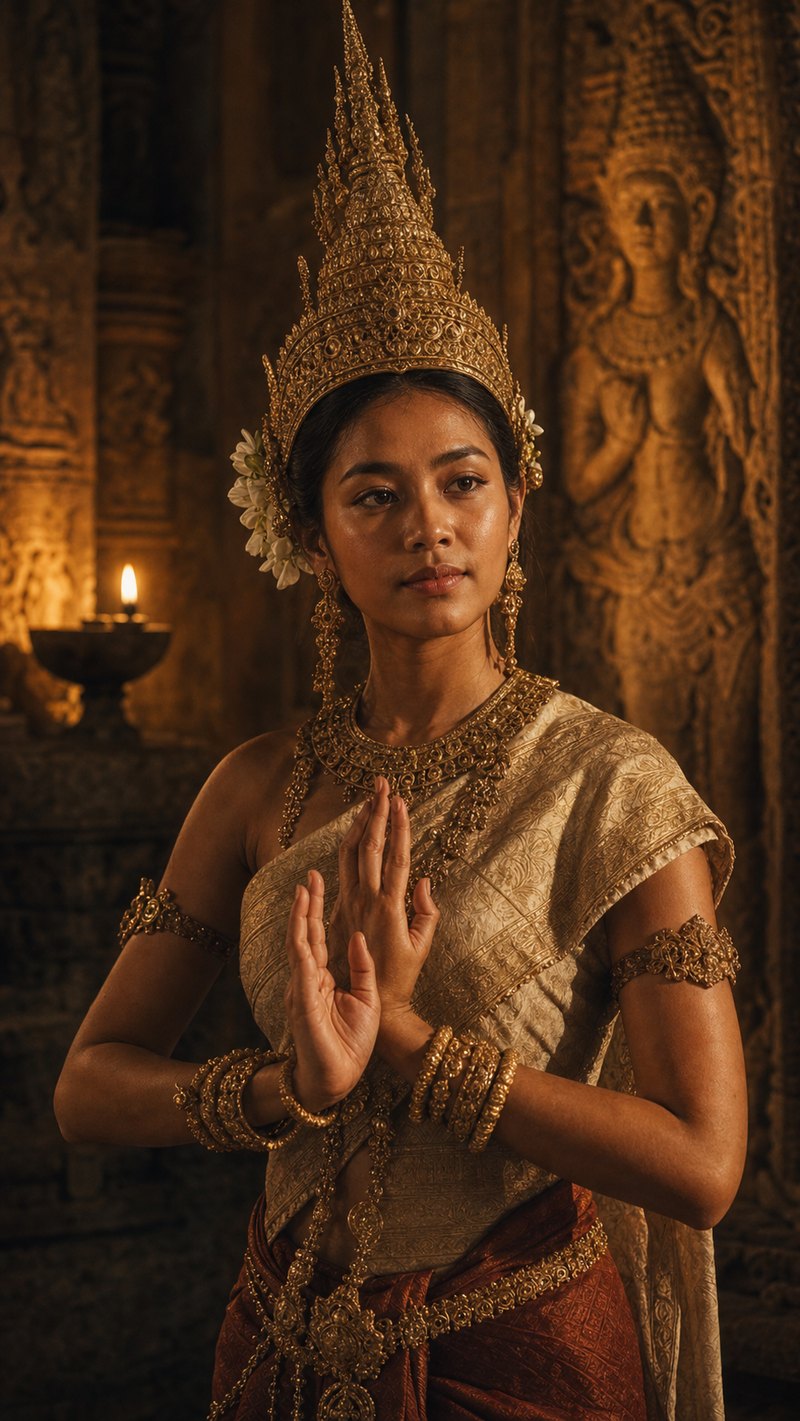
Khmer · c. 1150 AD
The Dancers Who Were Offerings
A single Khmer temple counted 615 dancers in its founding charter: apsaras, not entertainers — each dance a standing rite for the god, each pose still held in the stone of Angkor Wat.
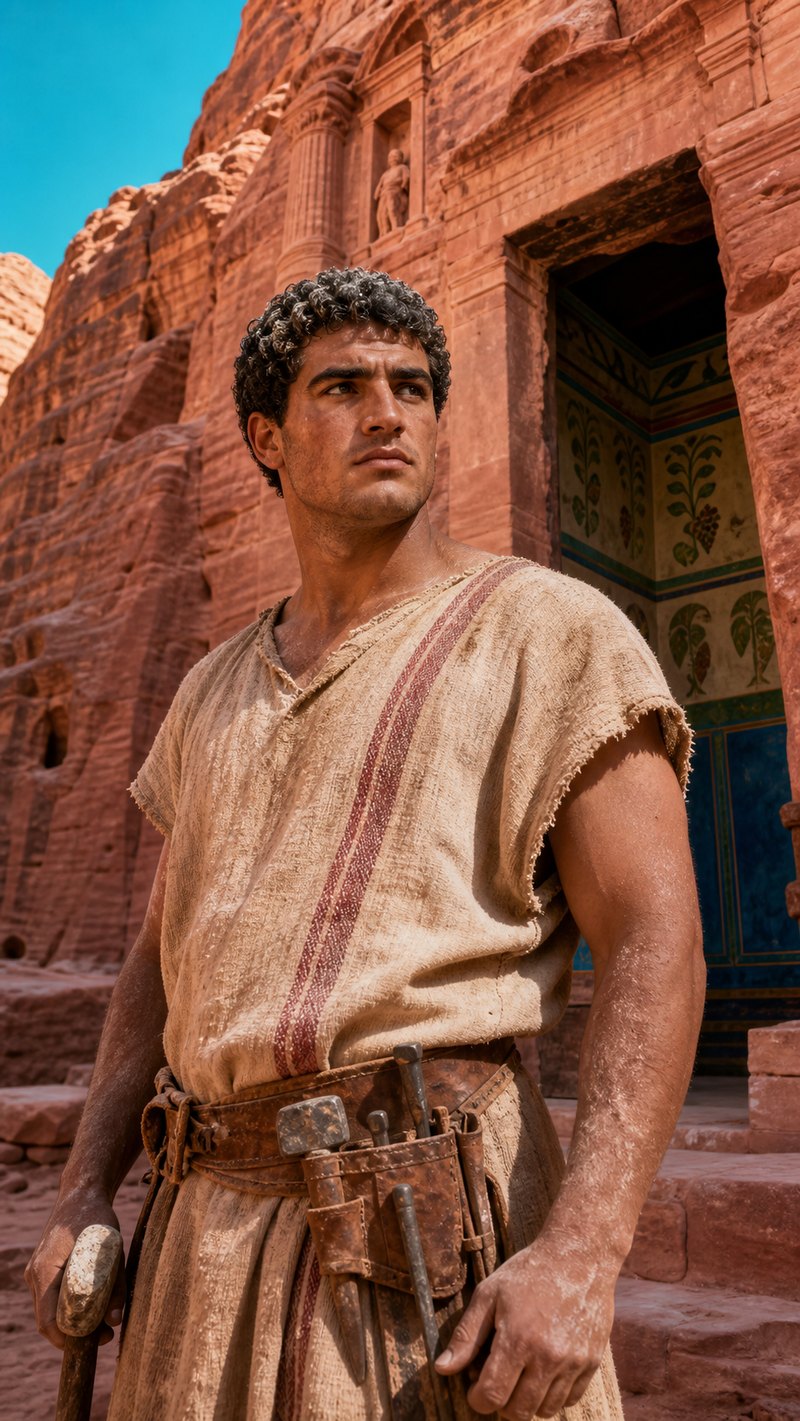
Nabataea · c. 50 AD
The Masons Who Freed a Building from a Cliff
The Nabataeans carved the Treasury straight down out of one rose-red cliff face, standing on ledges cut from the very rock they were removing.
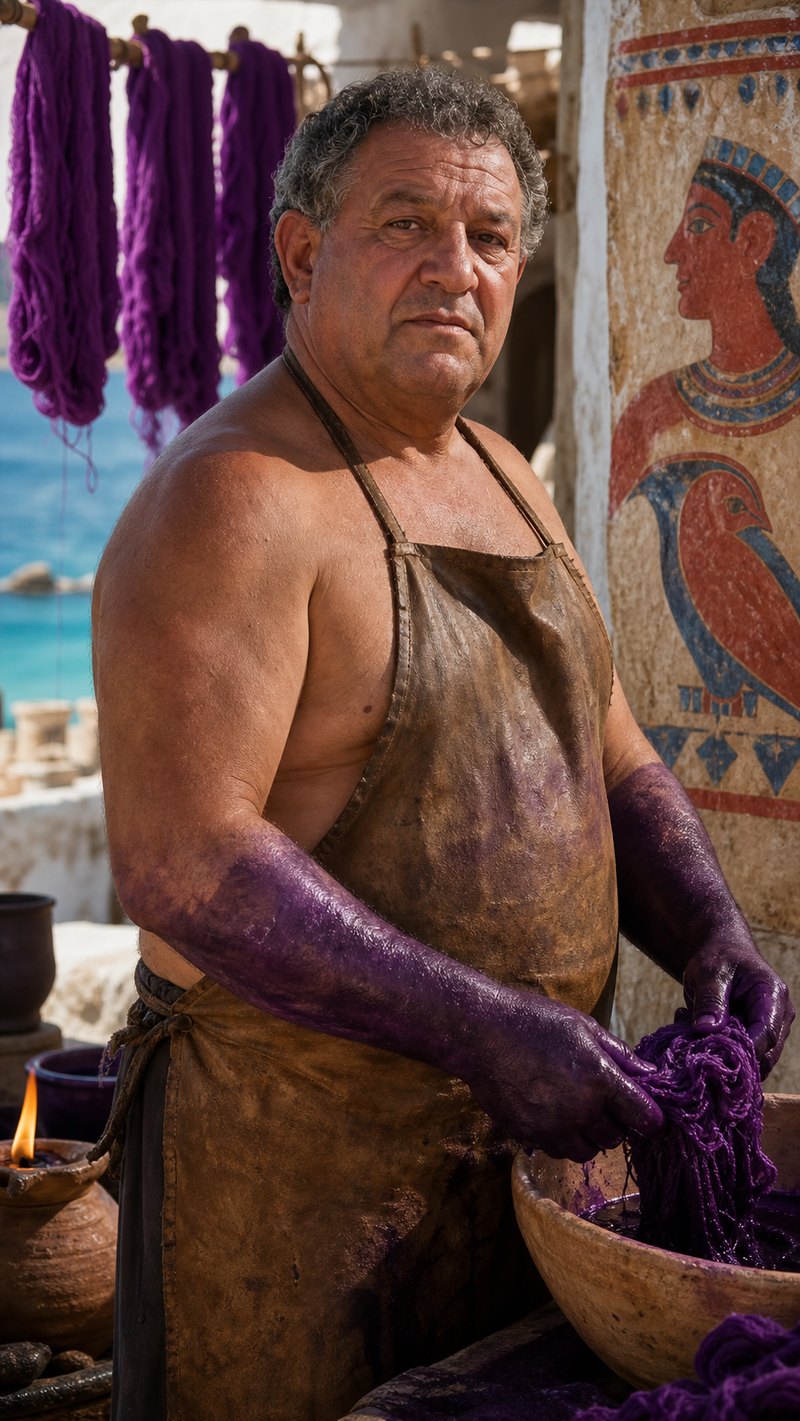
Carthage · c. 300 BC
The Dyers Behind the Colour of Emperors
Tyrian purple hides in the murex sea-snail — twelve thousand of them for barely a gram and a half of dye, from works that stank too fiercely to stand inside the city.

Maya · c. 700 AD
The Jewelers Who Worked in Living Teeth
Maya specialists drilled the front teeth of living men and women and set the holes with polished jade — drill marks so controlled that, under the electron microscope, they read as a trained jeweler's hand.
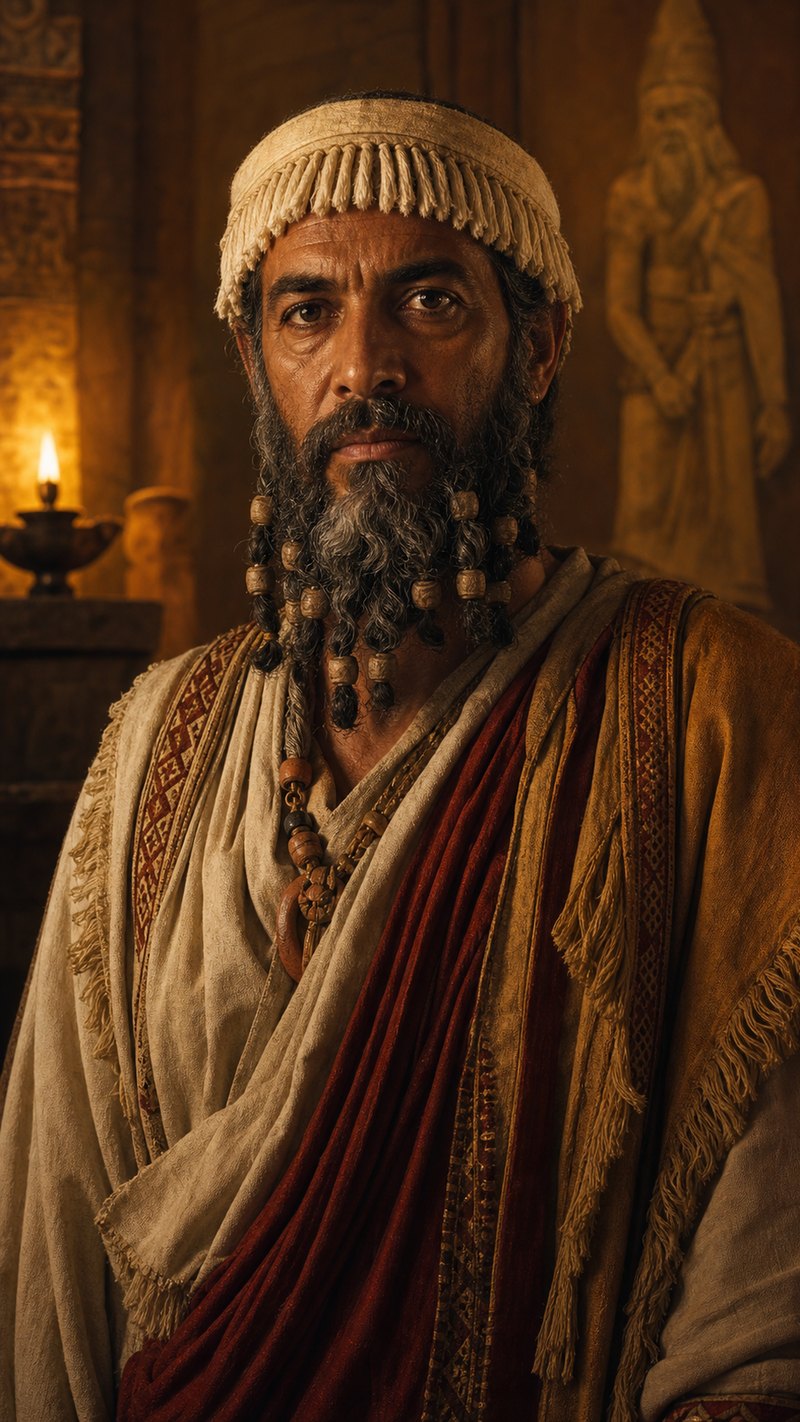
Babylonia · c. 600 BC
The Diviner Who Read Tomorrow in a Sheep's Liver
Before Babylon moved an army, a bārû opened a sheep and read the gods' answer in its liver; clay teaching-livers from the scribal schools survive, and kings delayed campaigns on a bad lobe.